
Get Wildfire Mitigation in Summit County, UT
Wildfire mitigation services for Summit County property owners address hazards like brush clearance, defensible space creation, firebreak installation, and vegetation management.
Wildfire mitigation services are essential for property owners in Summit County, UT seeking to enhance safety and protect their investments. These services typically include creating defensible space around structures, removing combustible vegetation, and implementing fire-resistant landscaping. Such measures help reduce the risk of wildfire damage, providing peace of mind during dry, fire-prone seasons. Additionally, proper mitigation can improve the overall functionality and durability of a property by preventing fire-related deterioration and minimizing ongoing maintenance needs.
Beyond safety, wildfire mitigation efforts can significantly boost curb appeal by maintaining a well-kept landscape that complements natural surroundings. Property owners often pursue these services to create a more inviting and resilient outdoor space, which can also contribute to increased property value. Engaging with experienced local contractors ensures that mitigation strategies are tailored to the specific landscape and fire risks of Summit County, helping to achieve a balance of safety, aesthetic appeal, and long-term durability.
- Wildfire Risk Assessments - useful for property owners in wildfire-prone areas seeking to identify vulnerabilities.
- Defensible Space Creation - recommended when reducing flammable vegetation around structures to improve safety.
- Vegetation Management Services - needed when overgrown or hazardous plants threaten property or nearby communities.
- Firebreak Installation - appropriate for properties requiring barriers to slow or stop the spread of wildfires.
- Emergency Preparedness Planning - essential for residents in fire-prone regions preparing for wildfire events.
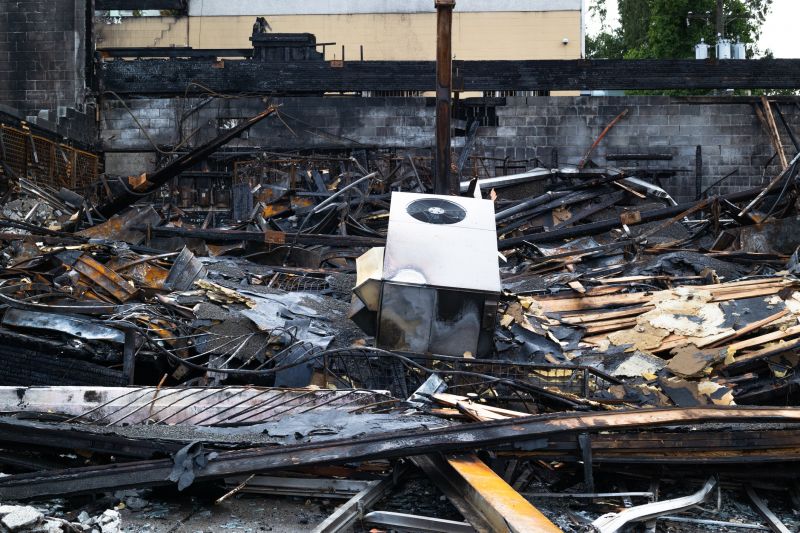
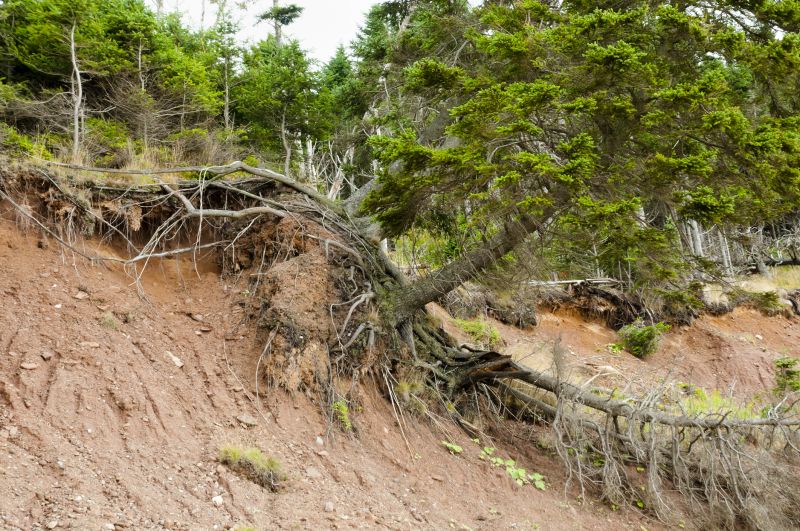
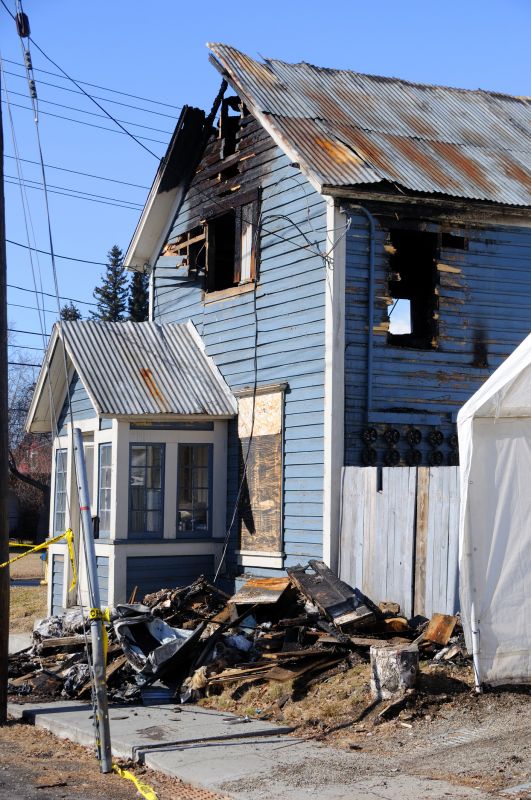
Wildfire mitigation services involve a range of strategies and actions designed to reduce the risk of fire spreading on residential, commercial, and natural properties. These services typically include creating defensible space by removing or trimming vegetation close to structures, establishing firebreaks, and applying fire-resistant treatments to building exteriors. Additionally, professionals may assess the property’s landscape to identify potential fire hazards, recommend appropriate modifications, and implement measures to enhance overall fire resilience. The goal is to minimize combustible materials and create barriers that slow or prevent the spread of wildfire flames.
Addressing wildfire risks helps solve several common problems faced by property owners in fire-prone areas. Uncontrolled wildfires can threaten homes, businesses, and natural resources, leading to property damage, loss of wildlife habitats, and costly recovery efforts. Mitigation services aim to reduce these risks by decreasing fuel loads and creating defensible zones, which can help protect structures and improve safety for residents and responders. Properly implemented mitigation measures can also facilitate emergency access and evacuation routes, enhancing overall community resilience during wildfire events.
Properties that typically utilize wildfire mitigation services include residential homes, especially those located in rural or semi-rural areas, as well as commercial properties in wildfire-prone regions. Forested properties, ranches, and vacation homes are often prioritized for mitigation efforts due to their proximity to wildland areas. Public spaces, parks, and community developments may also seek these services to reduce fire hazards and protect shared resources. The focus is generally on properties with significant vegetation or those situated near forested or brush-covered landscapes where wildfire risks are higher.
Engaging with wildfire mitigation professionals provides property owners with tailored strategies to address specific fire hazards. These local service providers evaluate each property’s unique landscape, climate conditions, and surrounding environment to recommend effective mitigation measures. By implementing these solutions, property owners can better prepare for wildfire seasons, reduce the likelihood of fire damage, and contribute to the safety of their communities. Contacting local experts ensures that mitigation efforts are appropriate, practical, and aligned with regional fire management practices.
The overview below groups typical Wildfire Mitigation projects into broad ranges so you can see how smaller, mid-sized, and larger jobs often compare in Summit County, UT.
In many markets, a large share of routine jobs stays in the lower and middle ranges, while only a smaller percentage of projects moves into the highest bands when the work is more complex or site conditions are harder than average.
Initial Assessment - The cost for a wildfire risk assessment typically ranges from $200 to $500, depending on property size and complexity. Larger properties or detailed evaluations may cost more. These assessments help identify areas needing mitigation efforts.
Vegetation Management - Clearing and trimming vegetation can cost between $1,000 and $3,000 for average-sized properties. Prices vary based on the extent of work and plant types involved. Proper vegetation management reduces fire fuel sources around structures.
Defensible Space Creation - Establishing defensible zones generally costs $1,500 to $4,000, depending on property size and landscaping needs. This includes removing combustible materials and creating buffer zones to protect structures from wildfires.
Firebreak Installation - Installing firebreaks or fuel breaks can range from $2,000 to $6,000 or more, influenced by the length and terrain. These barriers help slow or stop the spread of wildfires across properties and neighborhoods.
Actual totals will depend on details like access to the work area, the scope of the project, and the materials selected, so use these as general starting points rather than exact figures.
Vegetation Management - local pros provide services to clear brush and trees that can fuel wildfires, reducing fire risk around properties.
Defensible Space Creation - experts assist in establishing defensible zones through strategic pruning and removal of combustible materials.
Firebreak Installation - service providers create firebreaks to help contain and slow the spread of wildfires on properties and in communities.
Emergency Access Clearing - professionals clear pathways and access routes to ensure emergency responders can reach properties during a wildfire event.
Chimney and Roof Clearance - local specialists remove debris and combustible materials from rooftops and chimneys to prevent fire ignitions.
Hazardous Tree Removal - contractors identify and safely remove trees that pose a fire hazard to nearby structures and landscapes.
When evaluating wildfire mitigation services, considering the experience of local contractors can be a valuable step. Homeowners should look for providers with a proven track record in wildfire risk reduction within the Summit County area or nearby regions. An experienced professional will have a thorough understanding of local terrain, vegetation types, and common wildfire behaviors, which can influence the effectiveness of mitigation strategies. Gathering information about the length of time a contractor has been operating and their familiarity with local conditions can help ensure the selected provider is well-equipped to address specific wildfire concerns.
Clear, written expectations are essential for a successful wildfire mitigation project. Pros should be able to provide detailed descriptions of the scope of work, materials used, and the methods they plan to implement. Homeowners are encouraged to review these written outlines carefully to ensure all necessary tasks-such as defensible space creation, removal of hazardous vegetation, or firebreak installation-are included and clearly defined. Having documented expectations helps prevent misunderstandings and provides a reference point throughout the project, fostering transparency and accountability.
Reputable references and strong communication practices are key indicators of a reliable wildfire mitigation service provider. Homeowners can ask for references from previous clients or seek out reviews to gauge the quality of work and professionalism. Additionally, a contractor’s responsiveness and clarity in communication can reflect their commitment to customer service. Open dialogue about project goals, timelines, and any questions or concerns can contribute to a smoother process. It is important to remember that local options introduced through a neutral lead-generation resource are not the contractors themselves but are intended to connect homeowners with qualified service providers in the area.
Property owners in Summit County, UT use Wildfire Mitigation services for practical projects around their homes and businesses. The sections below highlight everyday jobs and straightforward project options.
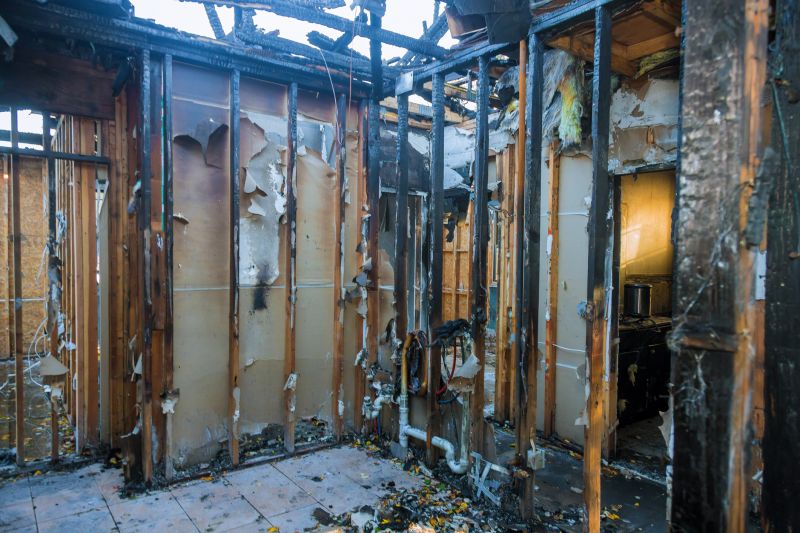
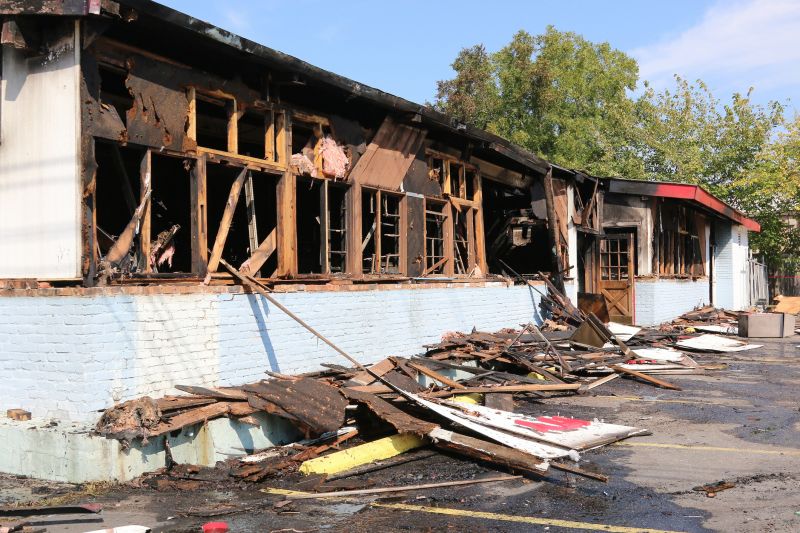
Wildfire mitigation services are often sought by property owners in Summit County, UT, who want to reduce the risk of fire spreading to their homes and properties. Common situations include preparing for the dry, fire-prone seasons typical of the region or maintaining safety standards after recent wildfires nearby. Local service providers can assist with creating defensible space, removing dead vegetation, and managing overgrown areas that could fuel a wildfire.
Many property owners look for wildfire mitigation to protect their investments and ensure safety for their families and neighbors. This work is also relevant for those planning property improvements or landscaping projects, aiming to minimize fire hazards while maintaining the natural beauty of the area. Connecting with experienced local pros can help address these concerns effectively and ensure that mitigation efforts align with regional fire safety guidelines.
What is wildfire mitigation? Wildfire mitigation involves strategies and services aimed at reducing the risk and impact of wildfires on properties and communities.
What types of wildfire mitigation services are available? Services may include defensible space creation, vegetation management, firebreak installation, and hazard assessment, provided by local service providers.
How can wildfire mitigation benefit my property? Proper mitigation can help protect structures, reduce fire spread, and improve community safety during wildfire events.
Who provides wildfire mitigation services in Summit County, UT? Local contractors and service providers specializing in wildfire mitigation can be contacted for assessments and work.
How do I find qualified wildfire mitigation professionals? You can contact local service providers specializing in wildfire mitigation to discuss your needs and schedule assessments.
Vegetation Management Services - Professionals can assess and clear overgrown vegetation to reduce wildfire risk around properties.
Defensible Space Planning - Local experts can help design and implement defensible zones to protect structures from approaching wildfires.
Emergency Access Solutions - Service providers can create clear pathways and access points to facilitate firefighting efforts if needed.
Firebreak Installation - Contractors can establish firebreaks to act as barriers and slow the spread of wildfires on your property.
Considering Wildfire Mitigation for a property in Summit County, UT? The sections above highlight common project types, practical options, and details that often shape the scope of work.
When you are ready, use the quote form to share a few details about your project. Local pros can review the basics and respond with options that match what you have in mind.